Note: this isn't a hiking article. It's about the one number almost nobody checks
before an outdoor summer workout, and why that number matters more in July than it does in January.
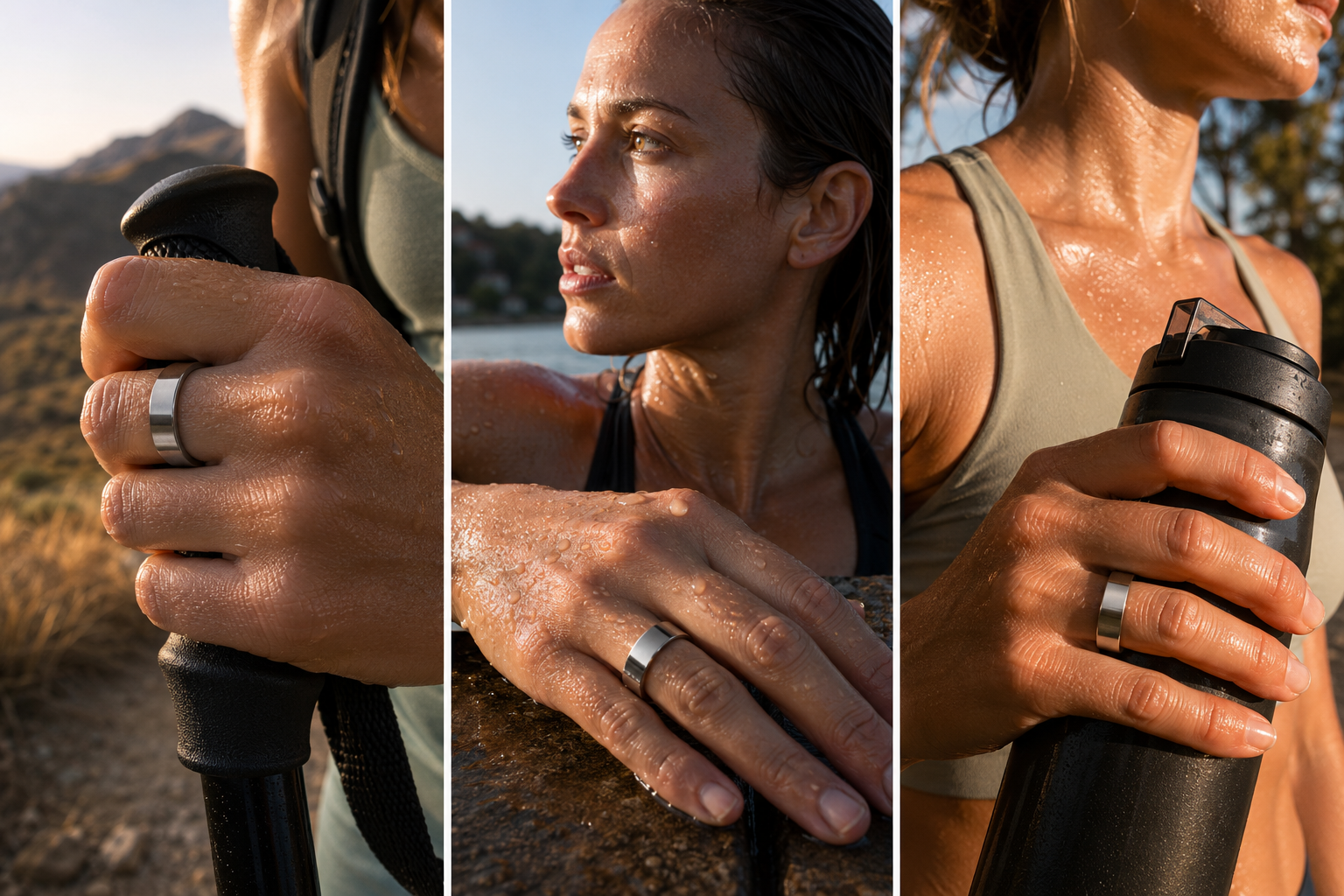
I've hiked the same 6-mile loop near my house for three summers. Same pace, same trail, same water
bottle. Last month, halfway up the second switchback, my chest tightened, my vision blurred at the
edges, and I had to sit on a rock for ten minutes before I trusted myself to stand back up.
Nothing was wrong with me. That was the scary part. My doctor's first question wasn't about my knees
or my lungs.
"What was your heart rate doing?" she asked. I had no idea. I'd never once thought to
check.
Here's what she explained, and what I wish someone had told me years ago: heat doesn't just make you
sweat. It makes your heart work harder, even at the exact same pace, on the exact same trail.
When your body gets hot, blood gets redirected to your skin to help you cool off. That leaves less
blood for the rest of your body, so your heart has to beat faster to keep up. Add
hiking, swimming laps, or an outdoor workout on top of that, and your heart rate can climb 10, 20,
even 30 beats above what the same effort would cost you on a cool morning.
Most people never notice this happening. There's no dashboard for it. You just feel "off," push
through it, and hope for the best. That's exactly what I'd been doing for years.
The uncomfortable truth: the outdoor activities we
associate with summer (hiking, open-water swimming, trail running, beach workouts) are also the
ones where heat quietly pushes your heart rate the highest. And they're often the ones where
you're farthest from help.
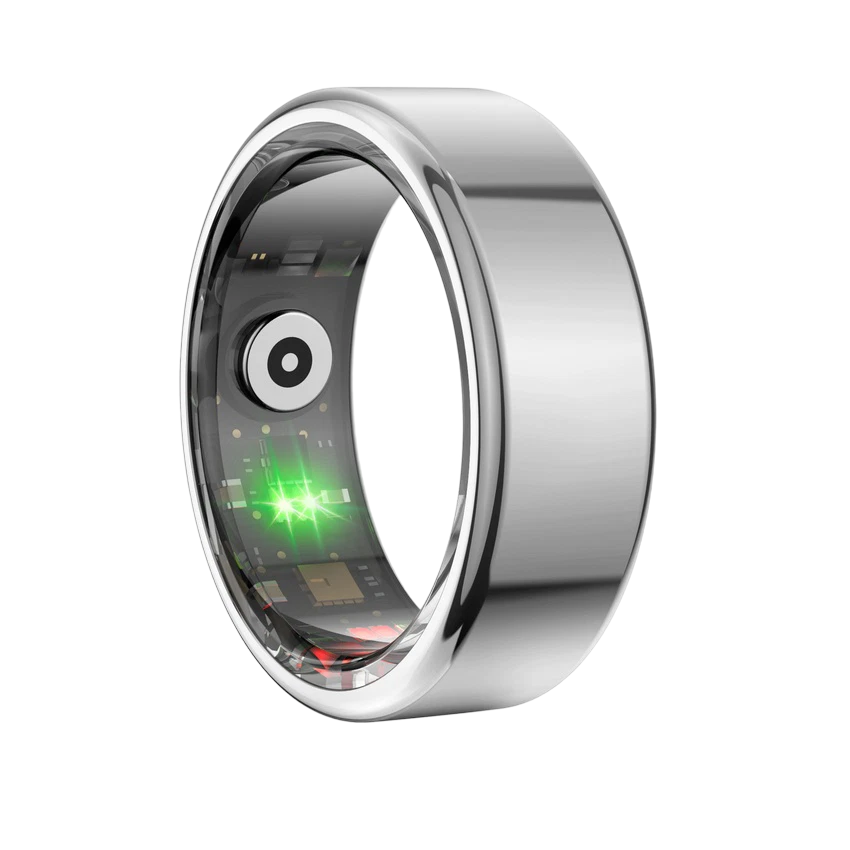
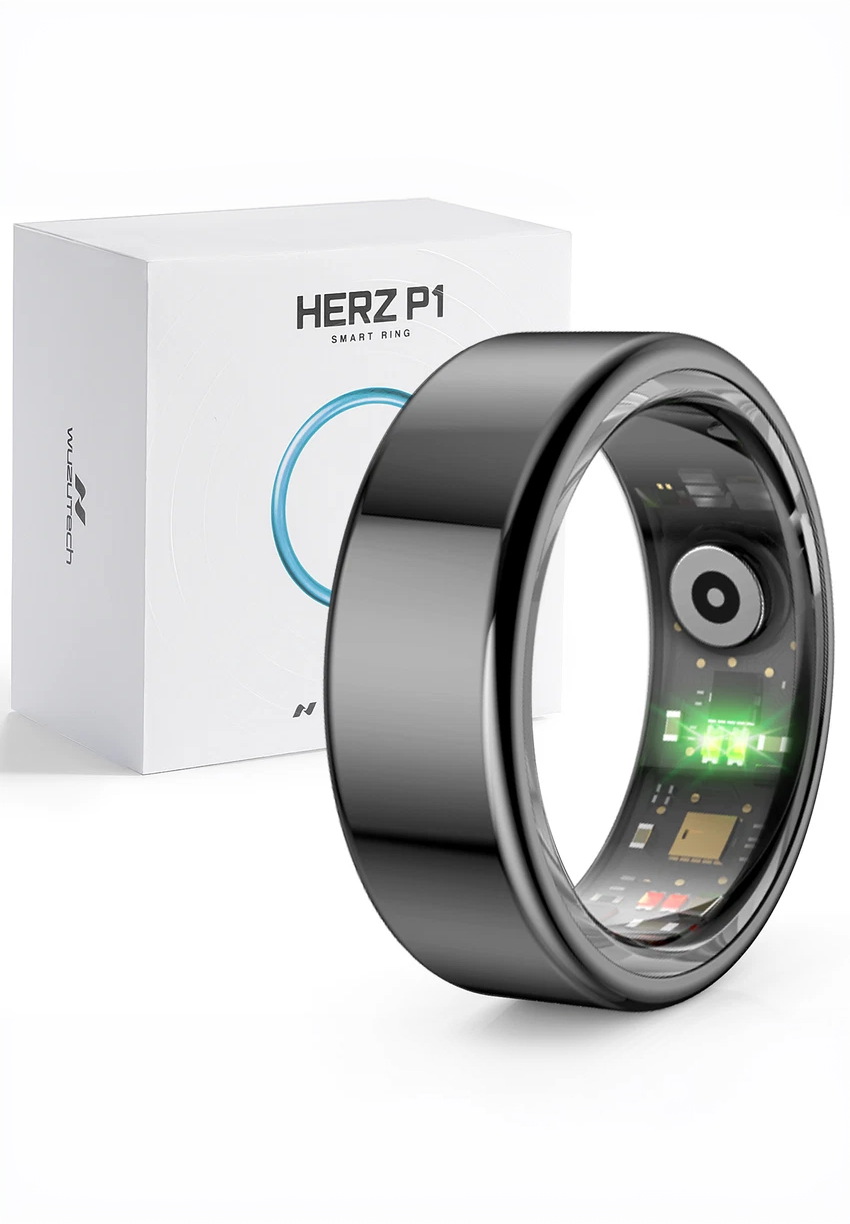
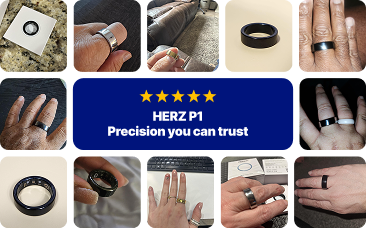
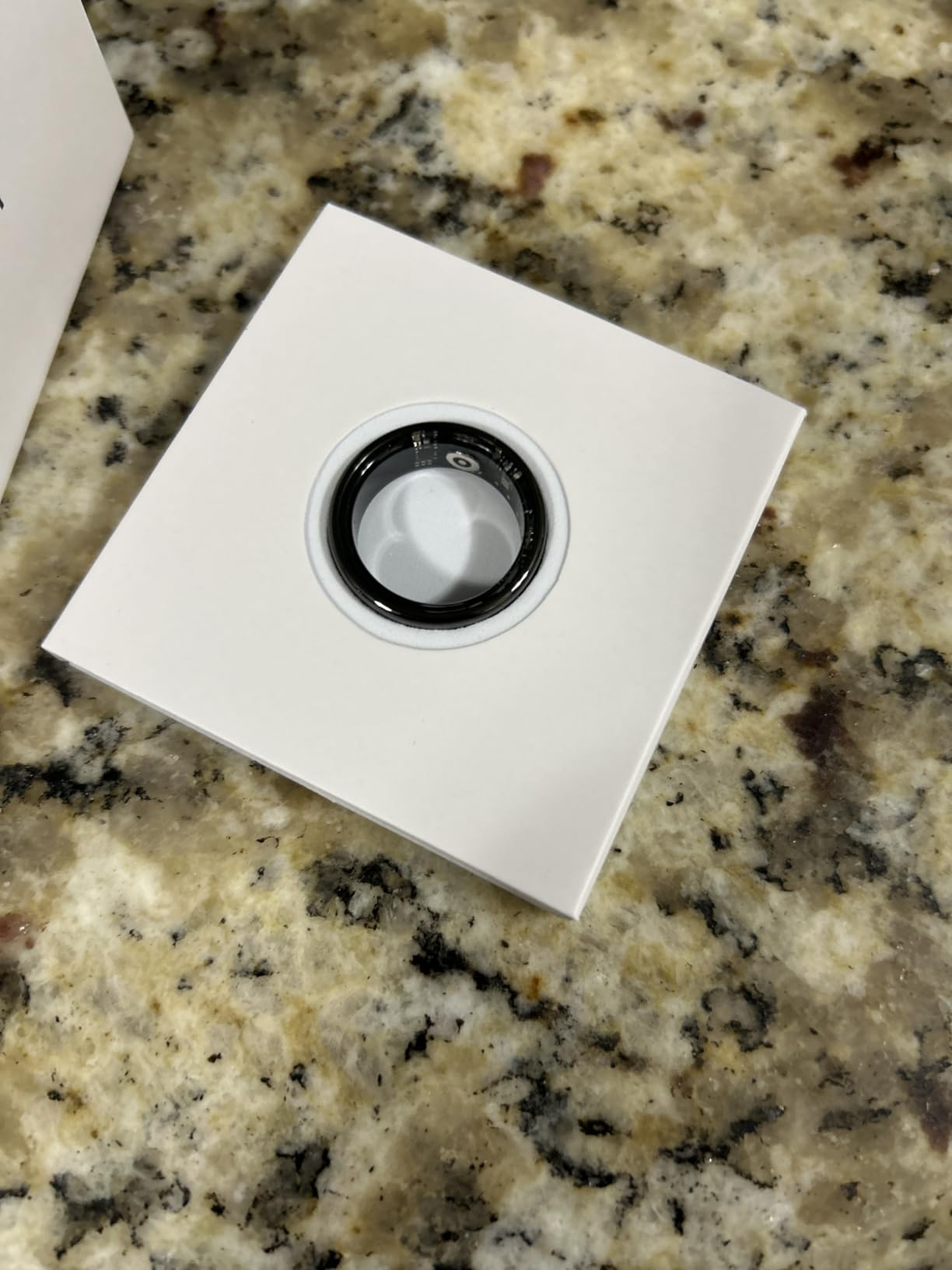
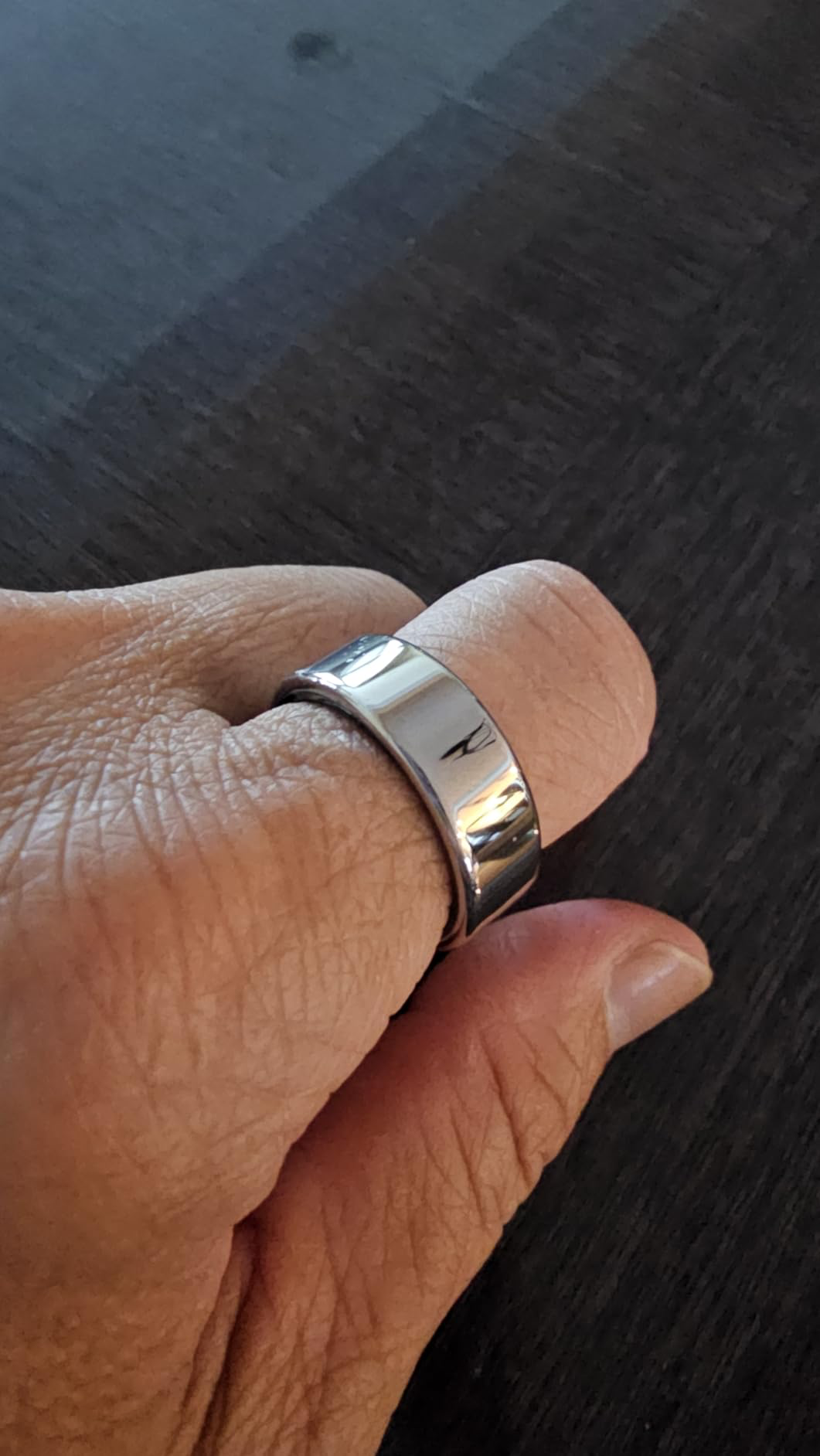
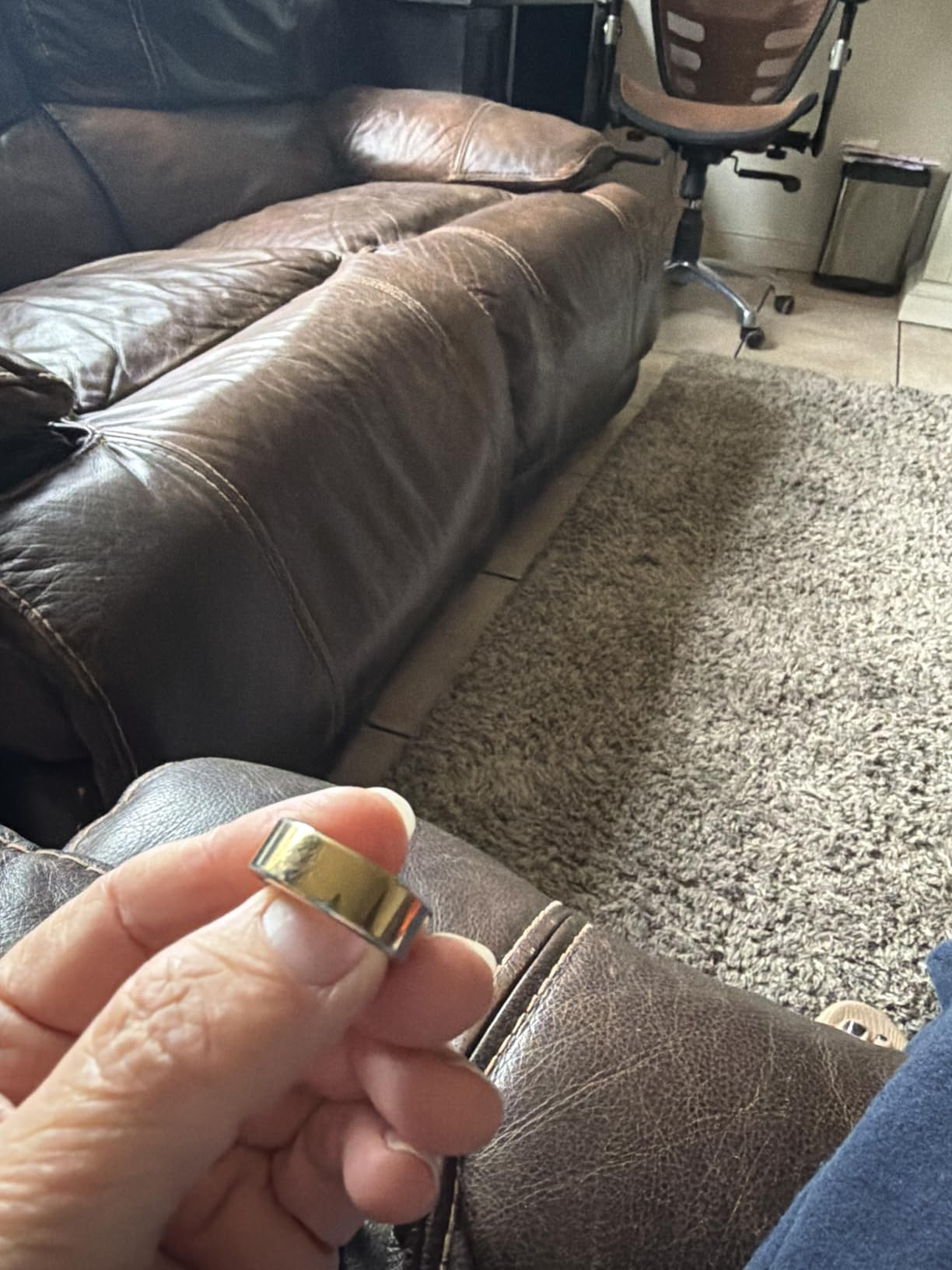
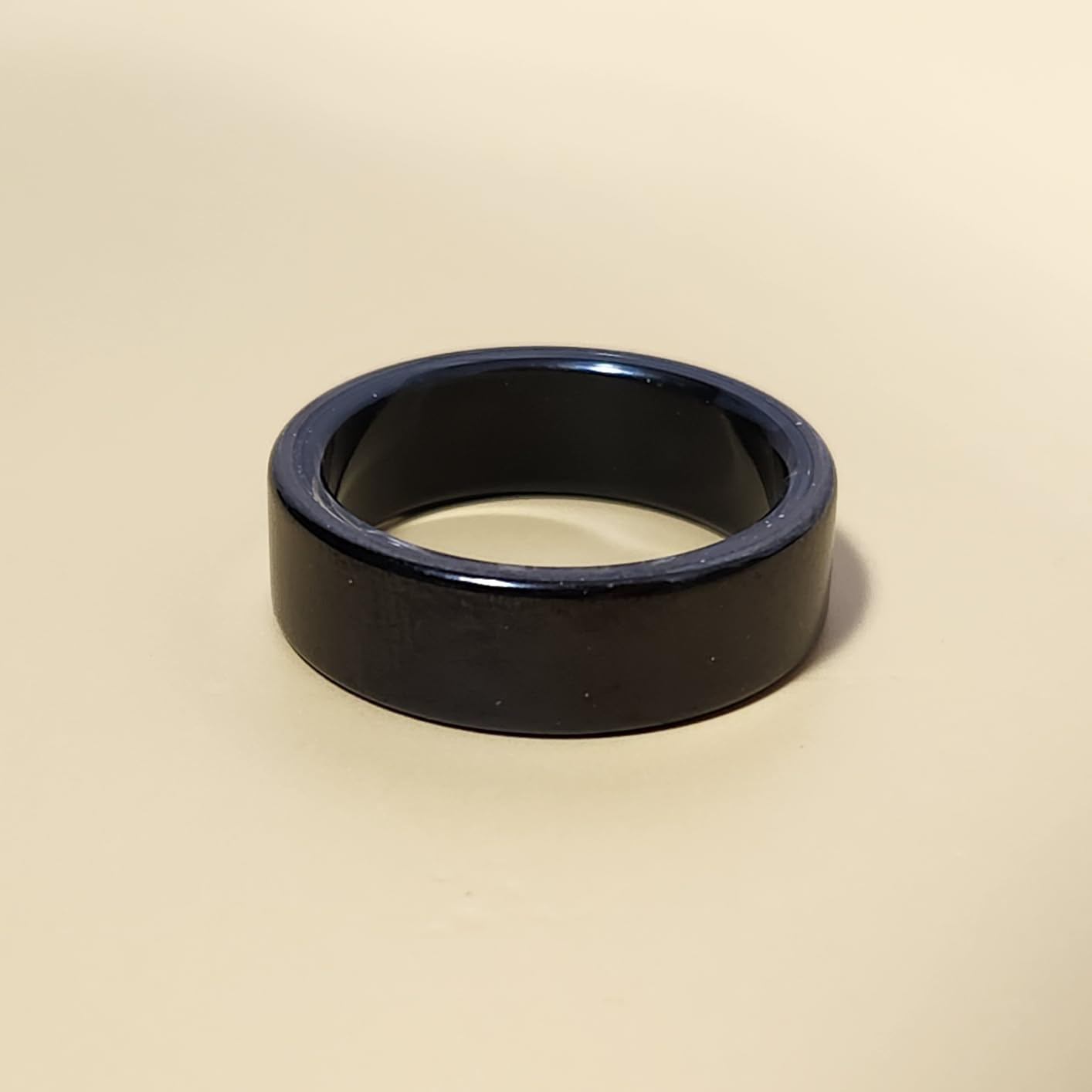
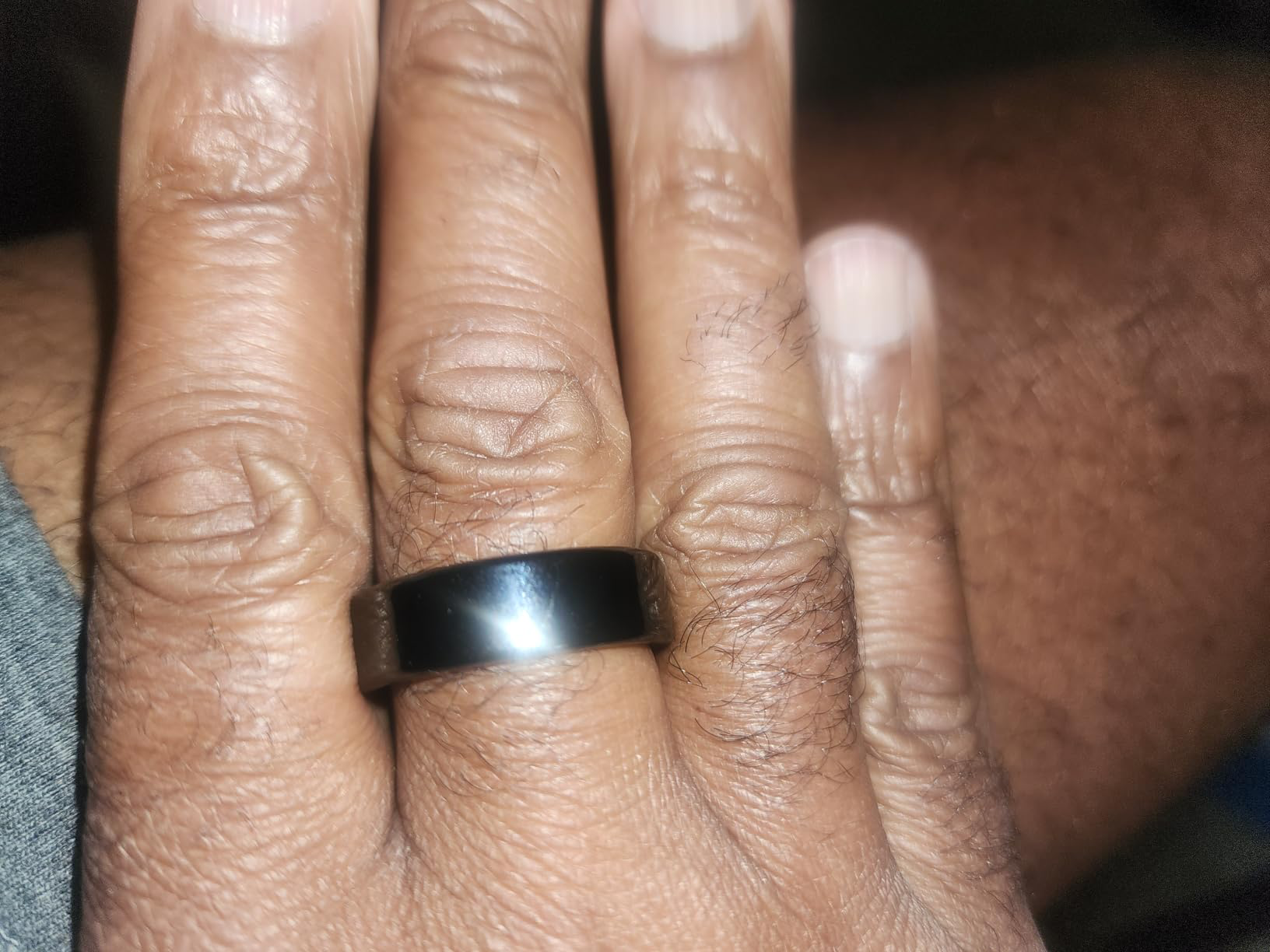
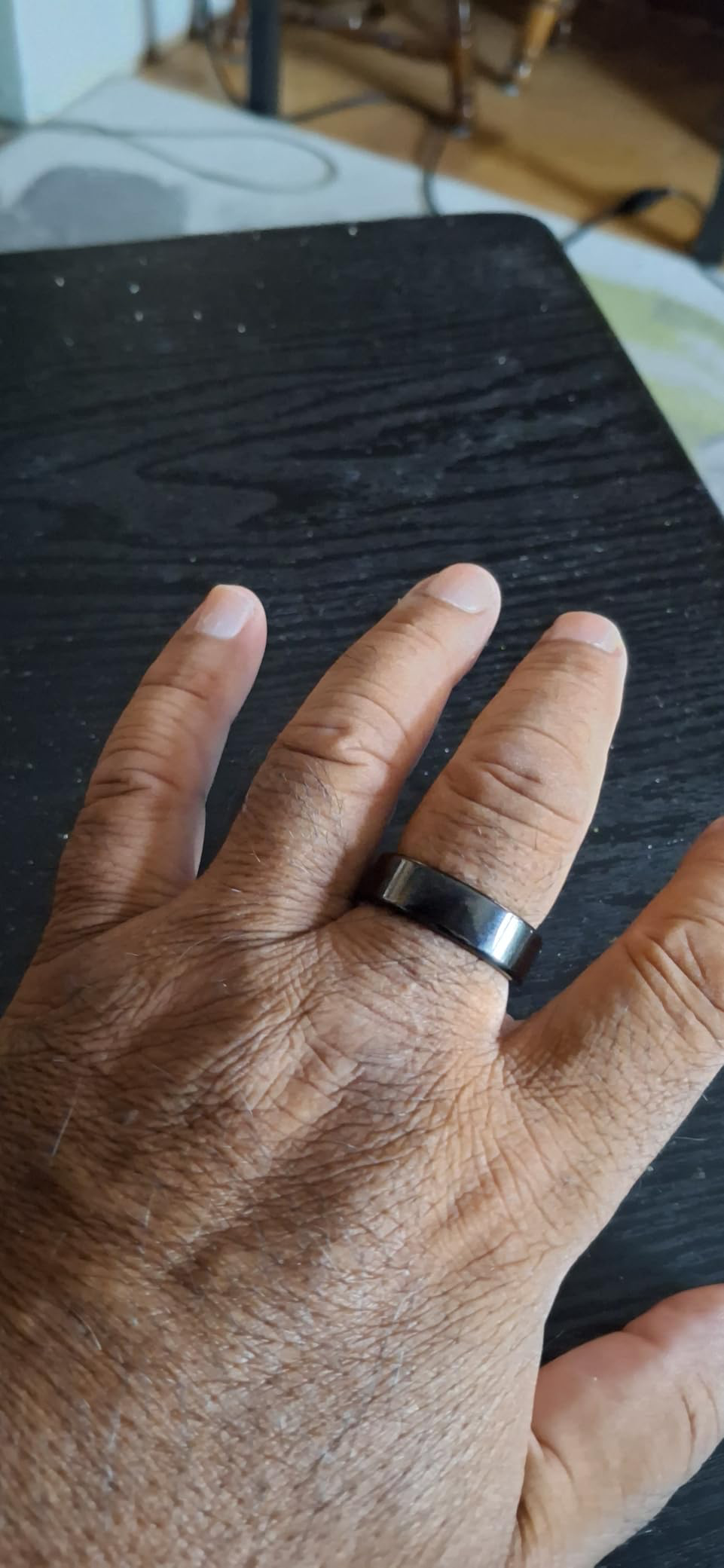
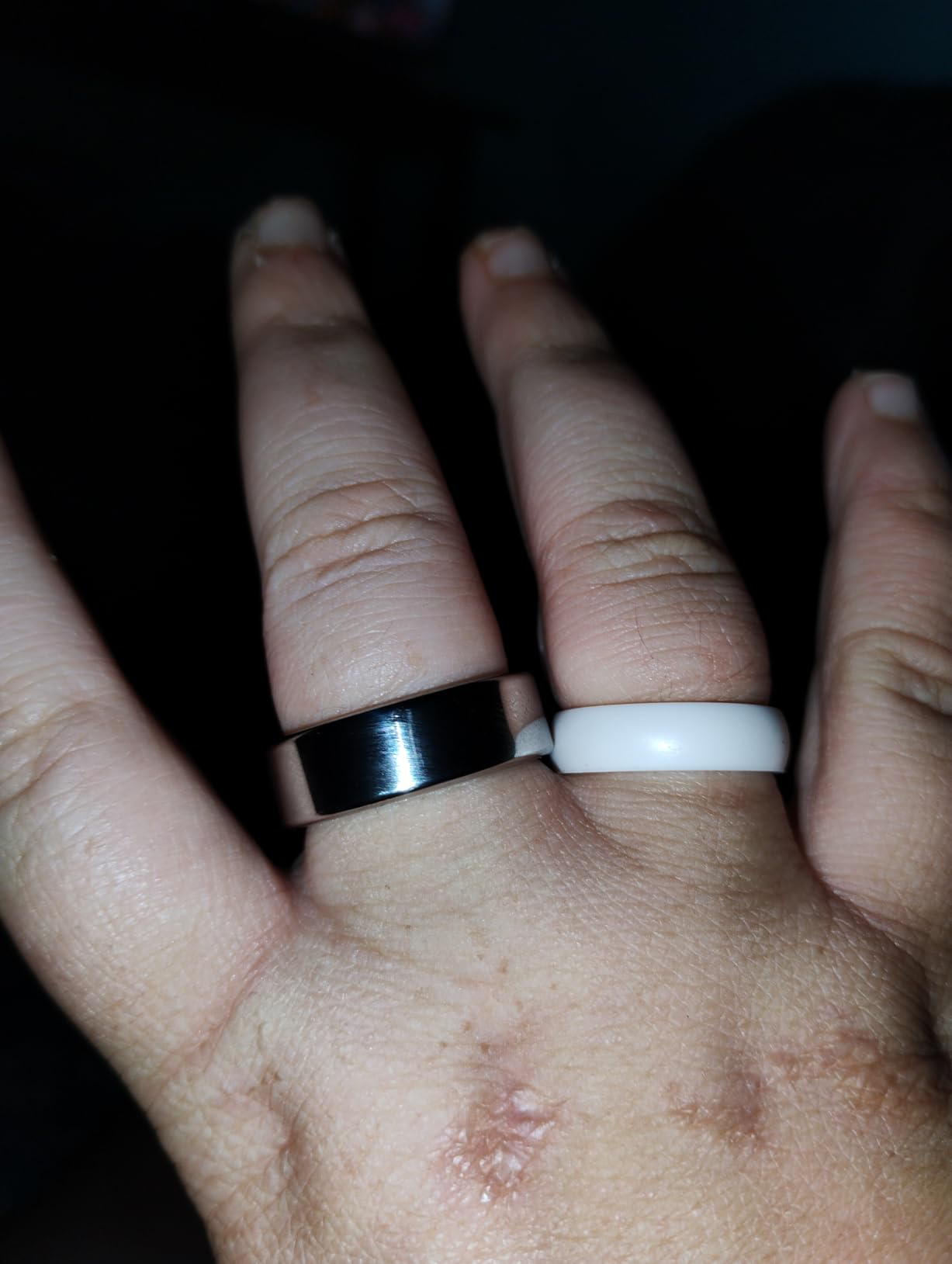
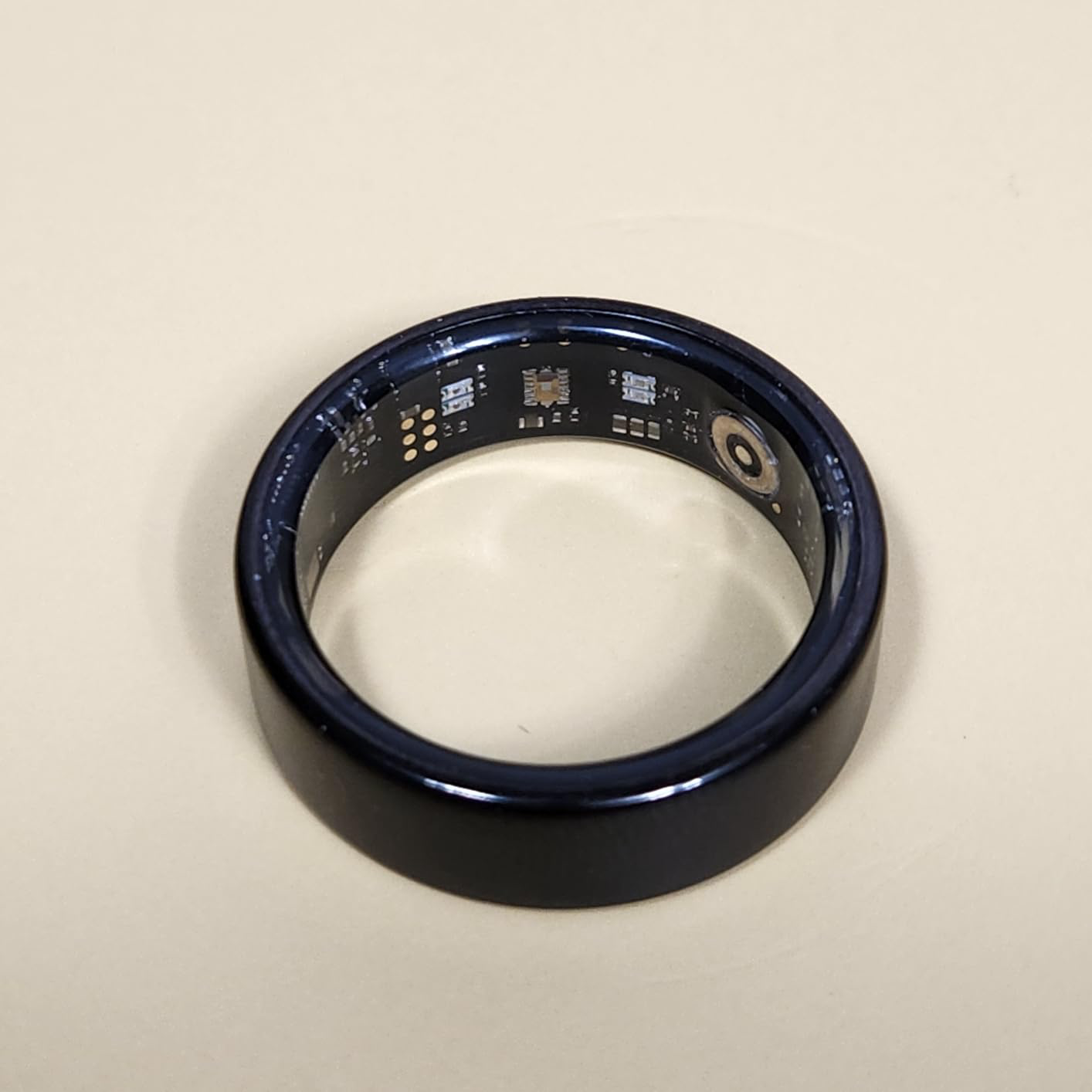
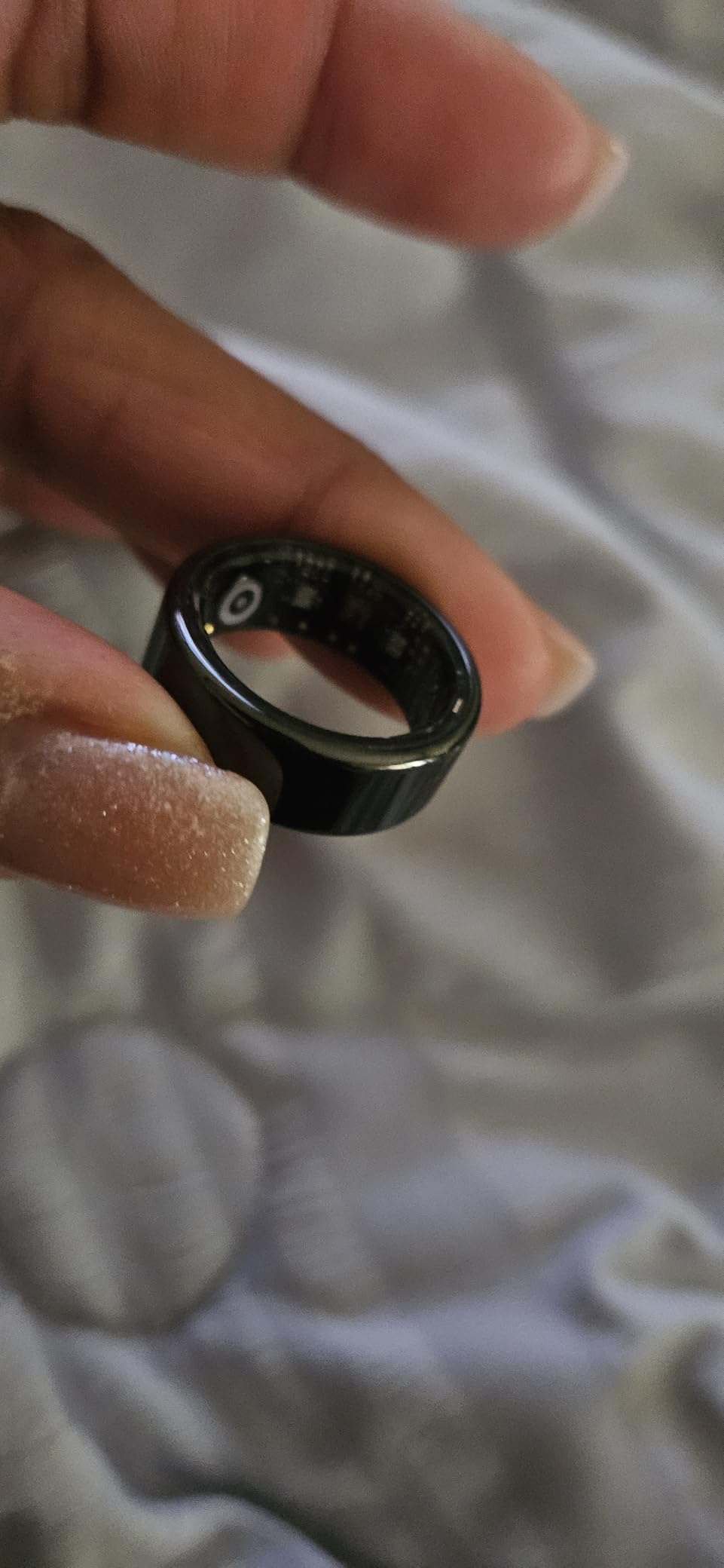
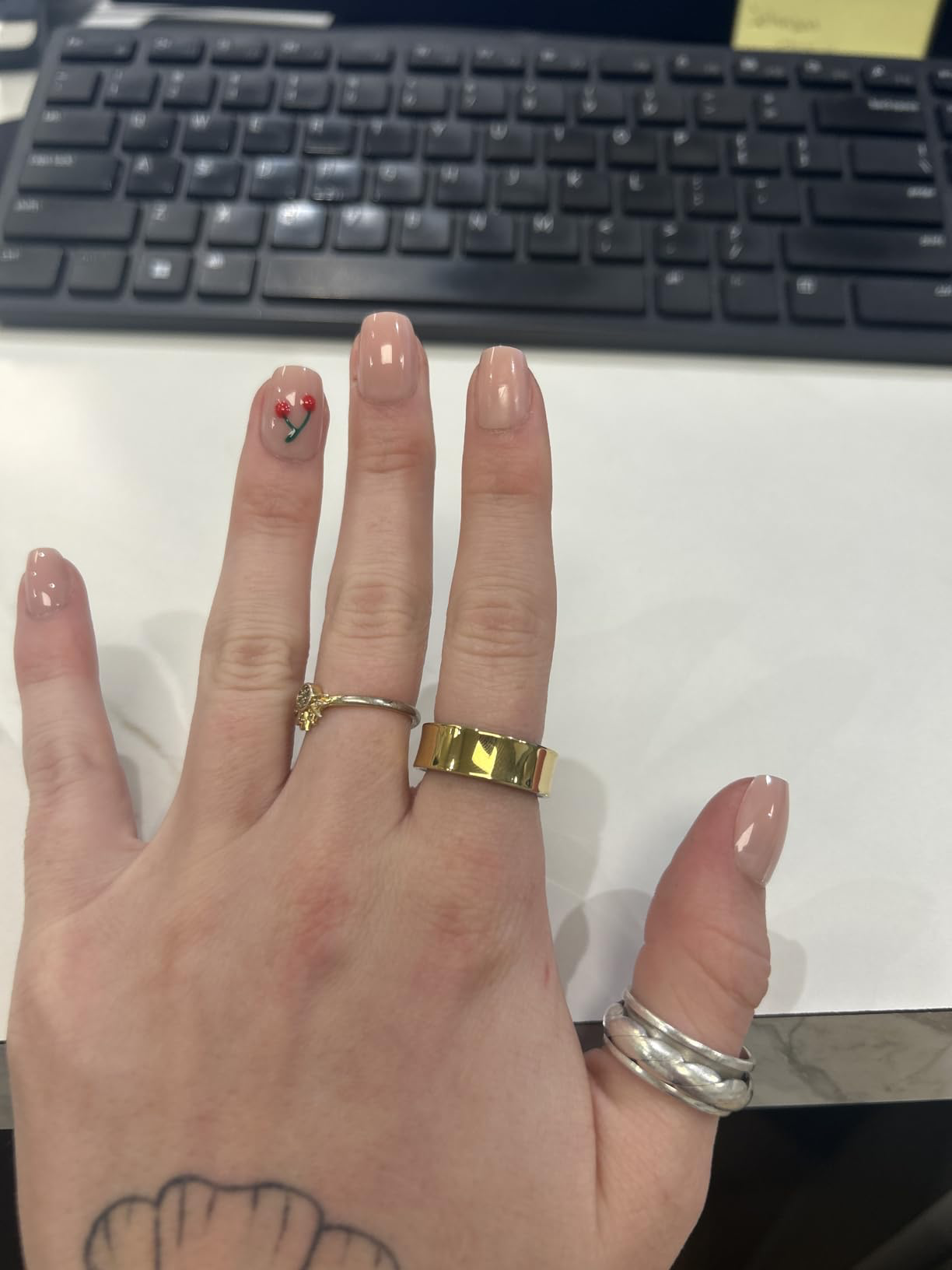
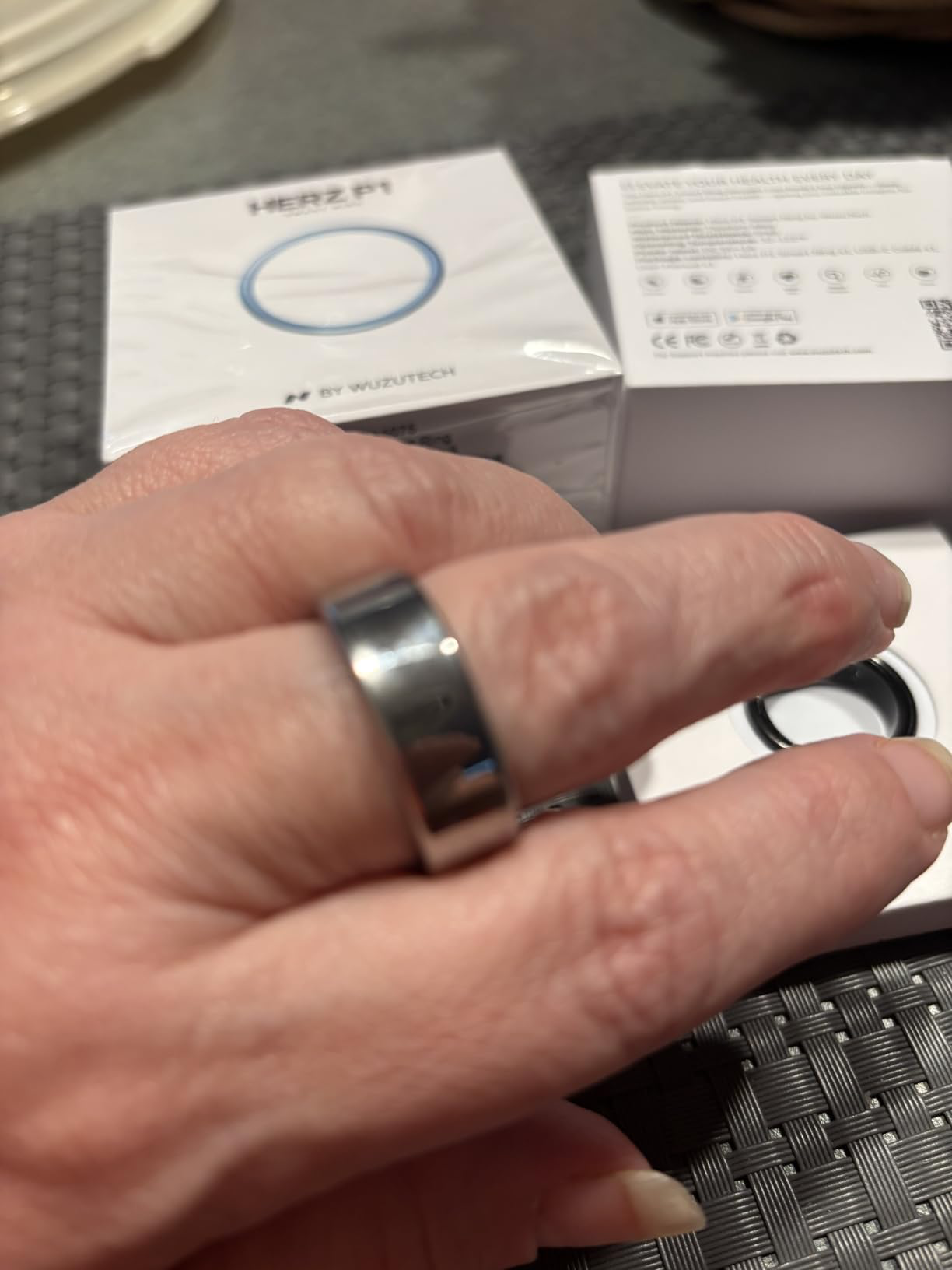
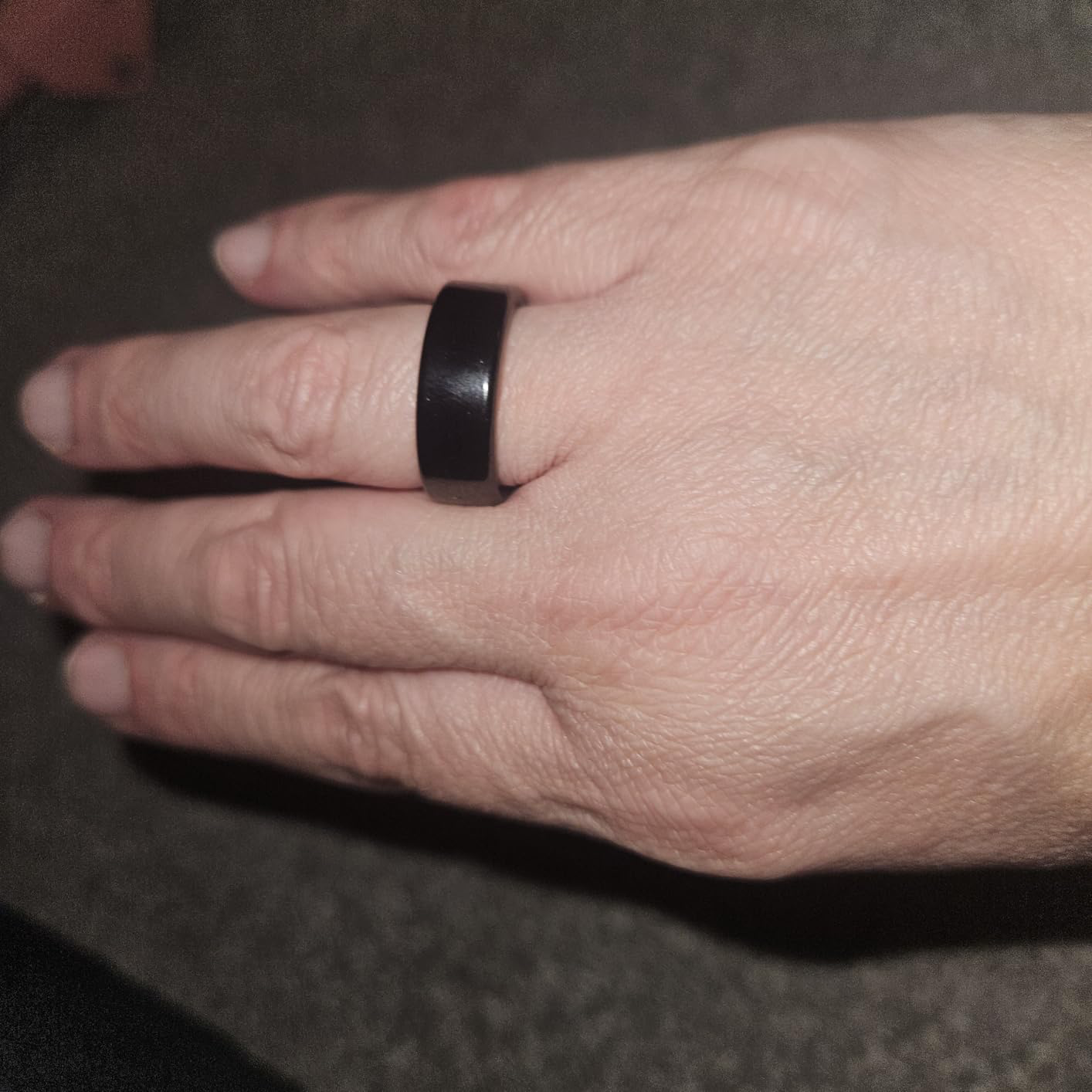
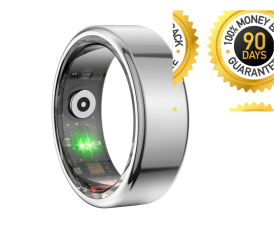
My trainer had been wearing something I'd assumed was just a plain ring. Turns out it was the
Herz P1 Smart Ring, a health tracker that monitors heart rate, HRV, sleep, stress,
and activity 24/7, without a screen, a strap, or a charging routine that gets in the way of actually
living outdoors in the summer.
She'd switched from a smartwatch for one simple reason: a watch that dies at 60% by hour
four of a hike isn't tracking anything. The ring runs up to 6 days on a single
charge, so it's recording heart rate data through every hike, every swim, every heat
wave, not just the mornings you remembered to plug it in.
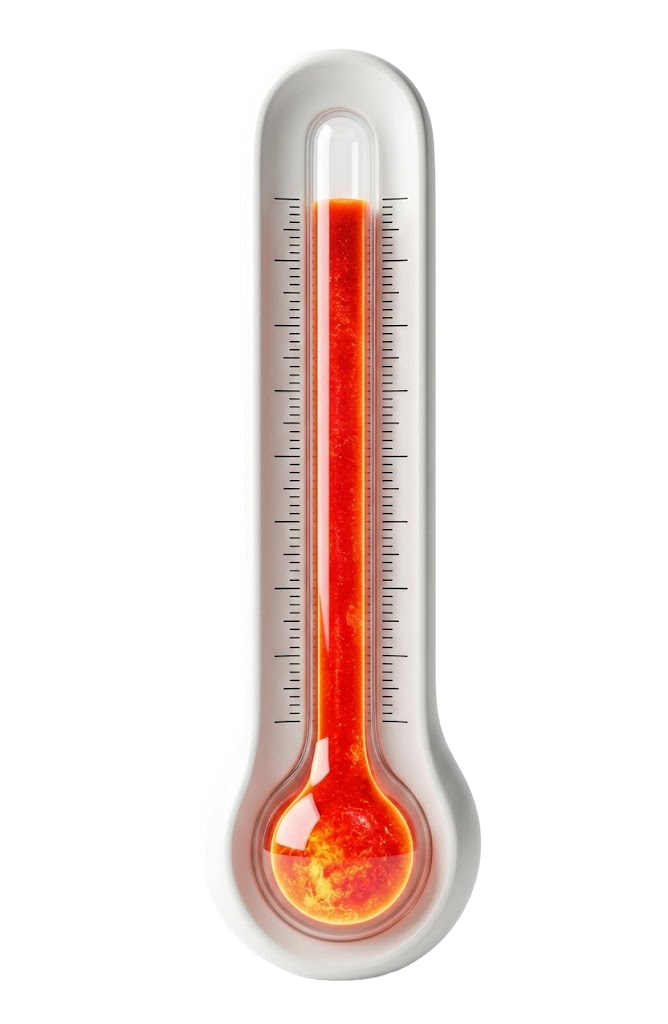
 TRAIL TEMP
91°F
 HEART RATE
142
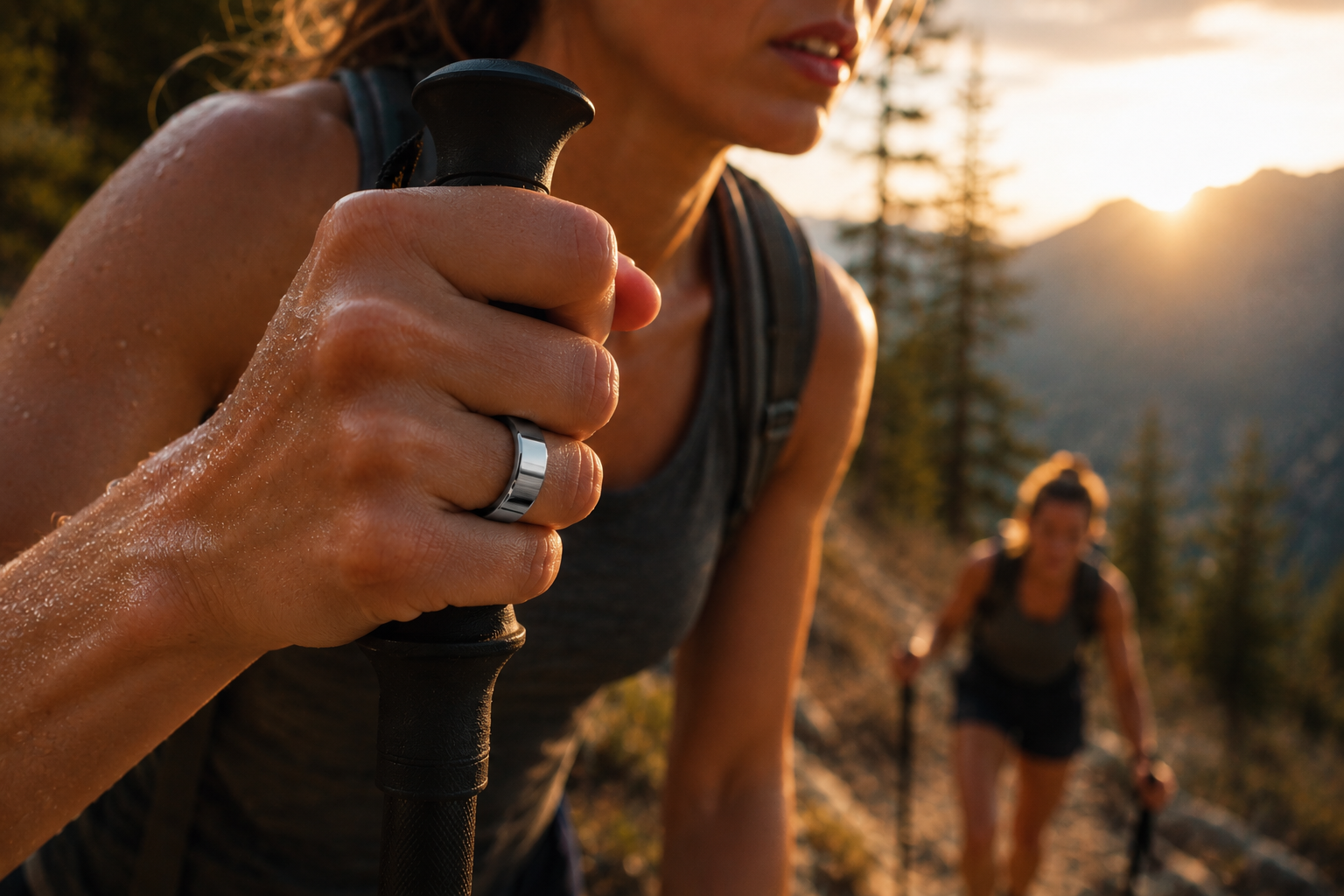
Same trail. Same pace as a 68°F morning. The only thing that changed was the heat, and the Herz
P1 was the only reason I noticed.
The point was never to be afraid of the heat. It was to stop guessing. Now, before I start a hike, I
check my resting heart rate on the app. Midway through, I glance at how hard my heart is working
relative to normal. If it's running high for the effort, I know it's a hydration-and-shade day, not
a personal-best day.
That's the real shift: hydration, heat, and heart rate are all connected, and once
you can see the number, the pattern becomes obvious. Under-hydrated on a hot day? Heart rate climbs
faster for the same pace. Well-rested and hydrated? It stays steadier, even in the heat.